
“Why is learning taking so much effort?”
Explore reading, writing, spelling, math, fluency, comprehension, and how the person learns.
Learning & neuropsychological evaluations
A student can work incredibly hard and still struggle. An evaluation helps us understand how someone learns, thinks, remembers, and manages demands, so the next steps are better informed.
Find Your Starting Point ↓Questions worth asking
Beyond a diagnosis
We want to understand how information gets in, how it is processed, understood, remembered, retrieved, expressed, and applied. A diagnosis may be one outcome. The deeper value is knowing how to build meaningful pathways forward.
These processes interact. An evaluation does not assign a fixed “visual” or “auditory” learning style; it identifies specific strengths, barriers, and strategies that may help the person succeed with particular tasks.
Start with the question
These are only a few examples of the many questions an evaluation can explore. You do not need to know which tests to request, and your concerns do not have to fit neatly into one category.
Explore reading, writing, spelling, math, fluency, comprehension, and how the person learns.
Explore attention, memory, processing, retrieval, expression, and the gap between understanding and performance.
Understand an uneven or unusually advanced profile, unexplained frustration, or strengths that are not being fully recognized.
Different questions, different approaches
These categories overlap, and they are not an exhaustive list. Learning concerns may involve dyslexia, ADHD, autism, anxiety, or several interacting factors. Our staff can help families determine which evaluation approach makes sense based on their questions, history, prior testing, and what the results need to clarify.
Often a good fit when the main concern is reading, written expression, mathematics, or another academic difficulty. Testing may consider learning skills, cognitive abilities, and related factors.
Useful questions include whether a specific learning disorder may be present and what supports could help at school or beyond.
A broader approach when the referral question involves several cognitive or developmental areas. Depending on the individual, assessment may explore attention, executive functioning, memory, language, learning, motor, visual-perceptual, and emotional factors.
Not everyone needs this level of testing. A longer battery is not automatically a better evaluation.
ADHD and learning difficulties can overlap. Someone may struggle to read because of a reading disorder, attention challenges, or both. A focused ADHD evaluation can consider possible overlapping concerns, but a full learning assessment is a separate scope when needed.
We can help clarify whether a combined approach is worth considering.
Autism can coexist with learning difficulties, ADHD, anxiety, or an uneven cognitive profile. When questions about autism arise alongside academic concerns, we can consider how social communication, developmental history, sensory differences, flexibility, language, and learning interact.
When appropriate, a comprehensive autism evaluation can be added to a learning assessment. This expands the scope and fee, and our team can help families determine whether combined testing is the right fit.
Families may want information to support school conversations, accommodations, or an IEP or 504 discussion. We can consider the relevant questions, review prior evaluations, and explain what an assessment may contribute.
Schools and outside organizations determine their own documentation requirements, so it's worth checking those needs before scheduling.
Dyslexia & learning disabilities
We can explore reading, spelling, writing, mathematics, language, and related cognitive processes. The purpose is to identify what is getting in the way and translate the findings into meaningful recommendations.
Letter reversals alone do not diagnose dyslexia. Many people with dyslexia never reverse letters.
Dyslexia is a language-based learning disability involving persistent difficulty with accurate or fluent word reading and spelling. It is not a measure of intelligence or effort. The pattern and impact vary from person to person.
No. Letter reversals may occur in developing writers and are neither required nor sufficient for a diagnosis. We learn much more by examining phonological skills, accurate word reading, decoding unfamiliar words, reading automaticity and fluency, and spelling.
Decoding is the ability to connect print with speech sounds to read unfamiliar words. Automaticity describes how efficiently a practiced skill can be performed. A student who must consciously work through every word may devote so much effort to reading that little capacity remains for comprehension.
Yes. Some students compensate with exceptional effort, memory, context clues, or support. We look at the underlying skills and the cost of performance, not grades alone. A strong overall learning profile can coexist with a specific academic weakness.
Vision problems can interfere with classroom access and deserve appropriate evaluation and treatment. But dyslexia is not caused by a vision problem, and behavioral vision therapy has not been shown to treat language-based dyslexia. Effective reading intervention targets the relevant language and literacy skills.
Academic difficulties can involve written expression, spelling, mathematics, or several areas together. Testing helps distinguish foundational skills, fluency, working memory, attention, language, and other possible contributors. We do not assume that every school problem has the same cause.
Depending on the referral question, testing may examine word identification, pseudoword decoding, fluency, reading comprehension, spelling, phonological processing, rapid naming, language, cognitive abilities, and related skills. The battery is individualized; no single letter-reversal task can establish or exclude dyslexia.
They commonly overlap. Published reviews cite estimates of approximately 25% to 40% co-occurrence in either direction, although rates vary across samples and how conditions are identified. That does not mean one condition causes the other or that every child with one should receive the other diagnosis. It means a thoughtful reading evaluation should consider attention and executive functioning when relevant. A 2024 genetic study also found shared risk associations, including 49 genomic regions mapped to 174 genes. Genetic overlap helps explain why they can co-occur; it is not an individual diagnostic test. Research review · Genetic study.
We can still learn why a child is struggling, where strengths can be leveraged, which demands are creating bottlenecks, and what supports warrant consideration. Diagnosis is not the only useful outcome of a comprehensive assessment.
Should I be concerned?
Every learner develops differently. Explore the types of persistent concerns families sometimes bring to an evaluation. These are conversation starters, not a diagnostic checklist.
A single sign does not establish dyslexia. Persistent patterns, developmental and instructional history, the person's experience, and targeted assessment matter. Families do not need to wait for a formal diagnosis before discussing appropriate reading support.
In-person testing at Brighton Center
Learning and neuropsychological evaluations typically involve in-person testing at Brighton Center for Pediatric Neurodevelopment in Brighton, Michigan.
Explore Brighton Center →Review the questions, relevant records, and what has already been tried.
Choose assessment activities suited to the person's needs and referral questions.
Offer breaks or change course when appropriate. Some measures may require another day.
Provide a report and recommendations that connect results to next steps.
The person behind the testing
More than 25 years of hands-on assessment experience.

An evaluation is more than a collection of test scores. I prepare carefully, but some of the most important information emerges while I'm actually sitting across from the individual and watching how they approach a task.
Can they decode accurately but not automatically? Do they understand the material but struggle to retrieve or express it? What changes when the demands increase? How do language, memory, attention, and processing interact?
I personally engage with the individual, administer and interpret assessment measures, observe what unfolds, and adjust the evaluation when clinically appropriate. Standardized procedures still matter, and any changes must respect the requirements and interpretive limits of each test.
After more than 25 years, understanding a child's learning profile remains one of the parts of my work I love most. My goal is to share that understanding with families in a way that makes the child's strengths, challenges, and possible next steps clearer.
From first call to feedback
We work to schedule families promptly, often within a few weeks depending on availability and the individual's schedule. Here's how the process typically unfolds.
After scheduling, we'll ask you to complete background and intake information. Relevant school records and previous evaluations can help guide the assessment.
We review the plan, answer questions, and show your family the testing space. This gives your child time to get comfortable with Dr. Bowers and understand what the assessment will be like.
While testing is underway, caregivers can make themselves comfortable in our waiting area, with a couch, Wi-Fi, and a desk if they would like to work. Our glass-walled testing space allows families to see into the room when passing through the office, without entering or interrupting the assessment.
We integrate test findings, observations, history, and other information into a report and recommendations. Feedback includes a chance to understand the results and discuss next steps.
Meeting the person where they are
Children and adults may arrive worried about being judged or getting something wrong. We explain the process, make room for questions, and take the individual's experience seriously.
If a planned task is not working, I can pause and consider other clinically appropriate ways to gather information. Standardized procedures matter, and sometimes finishing a particular measure another day is the best decision.
Flexible testing approaches
Our clinicians use different formats and measures to help individuals engage with testing, especially when sitting still or verbal communication is difficult.
When the task permits, children can stand, change positions, take movement breaks, or work at a pace that supports engagement.
We use Pearson's examiner-led, iPad-based assessment system with many individuals. Interactive digital materials can help sustain interest while the clinician administers selected measures.
When expressive language is a barrier, fully nonverbal assessment measures may help us explore abilities without relying on spoken answers.
The specific tests and accommodations depend on the referral questions, individual needs, and each measure's administration rules. Not every test can be adapted in the same way.
Getting ready for your visit
A simple script for caregivers
“We're going to meet some people who want to learn how your brain works. You'll get to try different brain games, puzzles, and activities. Some might be easy, and some might be tricky. There's no grade and nothing to study for. We want to learn about your brain's superpowers and anything that makes school or everyday life harder. You can ask questions, take breaks, and tell us how you're feeling. You just need to be yourself.”
We allow time for breaks and try to make the experience playful and comfortable. Activities may involve listening, looking, talking, drawing, moving, or responding without words. We use the results together to understand strengths, areas of difficulty, and supports that may help.
Explore the topic further
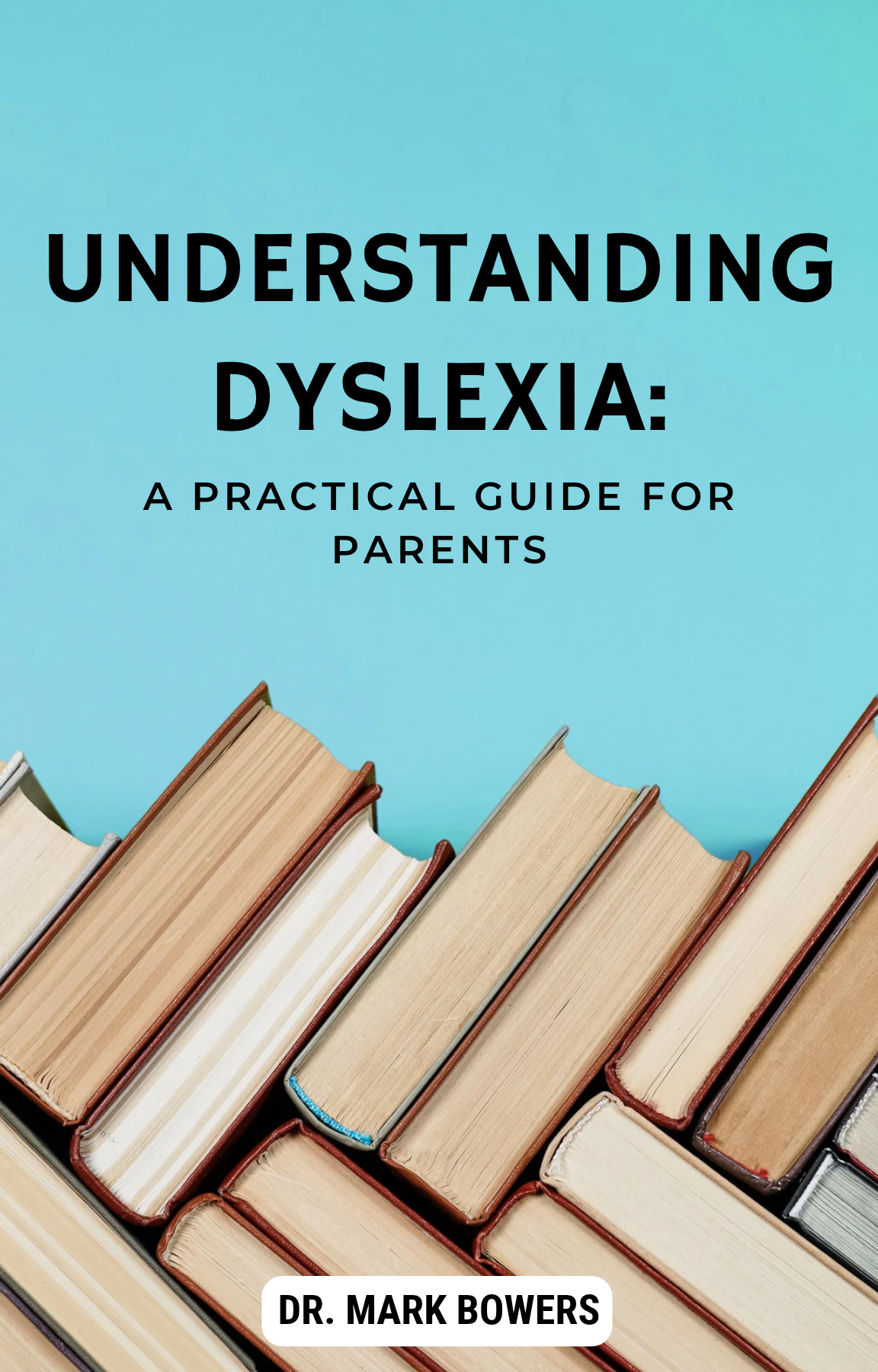
My Understanding Dyslexia guide explores early signs, the assessment process, dyslexia and ADHD, evidence-based supports, everyday strategies, and ways to protect confidence as children learn.
If you'd like to keep learning before or after an evaluation, you can find the guide in our collection of books and resources.
Explore Guides →Related paths
We do not treat reading, attention, mood, or development as unrelated pieces. The assessment can explore overlapping contributors, with added services discussed clearly when they change the scope or cost.
A learning evaluation can also consider whether attention, anxiety, mood, health, or other factors are affecting performance. When indicated, ADHD questions can be examined as part of the learning evaluation without a separate ADHD assessment charge.
When autism is also an important referral question, a full autism evaluation may be added to the learning evaluation. This expands the scope and changes the fee; our office can discuss the options before scheduling.
Whether or not a diagnosis is identified, we explain the learning profile, practical supports, and next steps for home, school, and everyday demands.
Questions about which evaluation fits? Our office can help you consider the options.
Ready when you are
No referral is required. Brighton Center is fee-for-service, accepts HSA/FSA cards, and can provide superbill documentation for families seeking possible insurance reimbursement. Coverage depends on your plan.
The specific scope and testing methods depend on clinical fit, developmental level, and documentation needs. This page provides general information, not an individual recommendation or guarantee of diagnosis or reimbursement.

Get started today before this once in a lifetime opportunity expires.